The Daily Slow
The Daily Slow
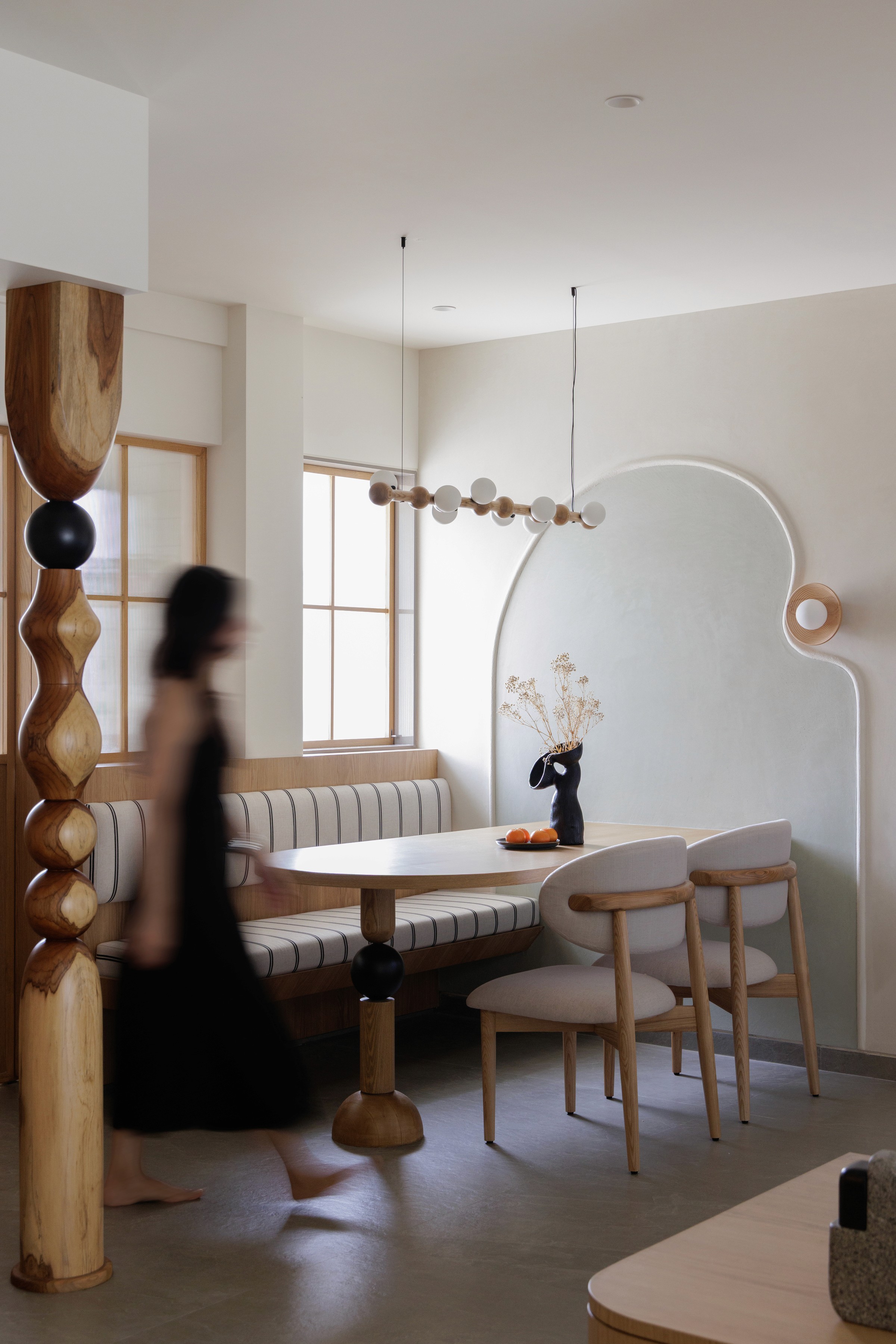
The Daily Slow is a multi-generational home shaped around living at a gentler pace — where spaces respond to people, their relationships, and their everyday rhythms. Designed through careful listening to the family’s routines, personalities, and moments that often go unnoticed, the home values emotional comfort over visual excess. Through space, light, and material restraint, it is imagined as a place that holds everyday life without urgency, allowing it to unfold slowly.
Category:
Residential Interiors
Category:
Retail Interiors
Sustainable Interiors
Area:
980 sq ft.
Area:
980 sq ft
Location & Year:
Mumbai, 2025
Photography: Janvi Thakkar (Wabi Sabi Studio)
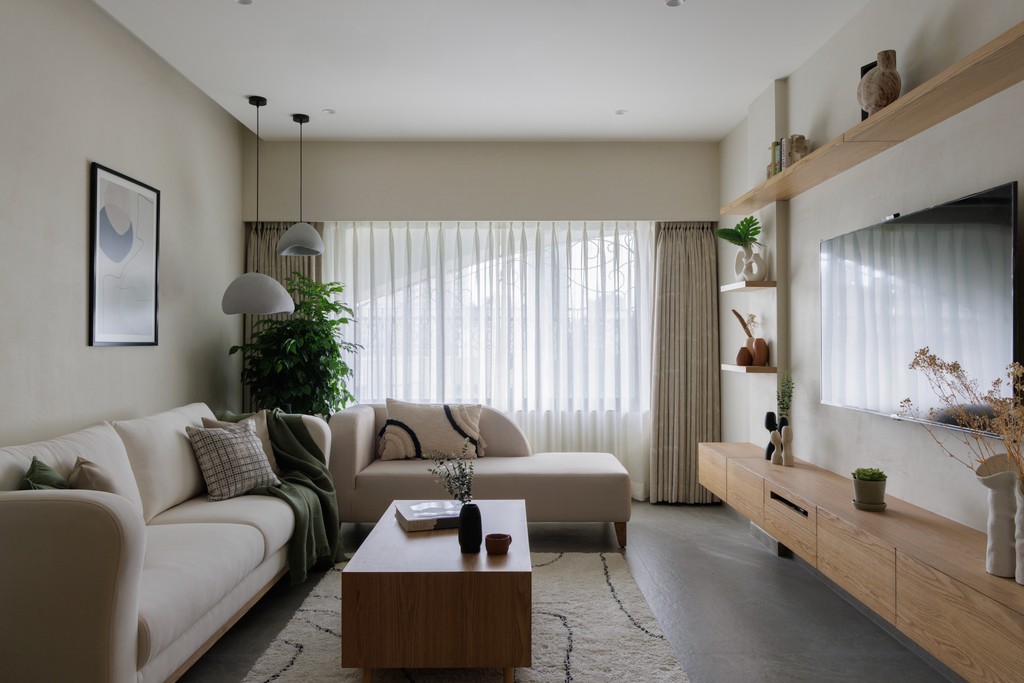
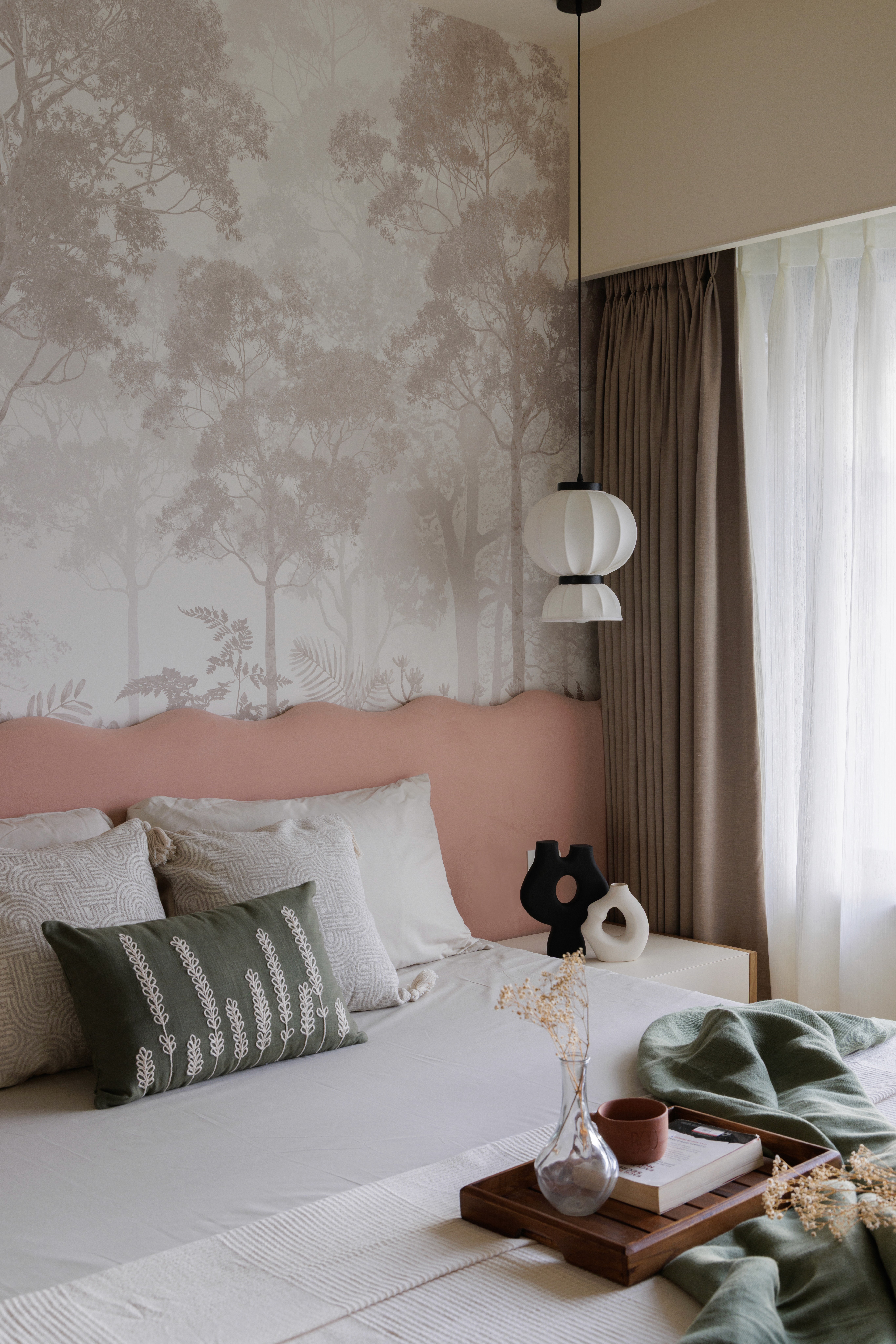
The project was conceived for a family of four, comprising parents in their sixties and two adult daughters. Rather than relying on strong visual statements, the home explores how calm and slowness can be embedded into everyday living through spatial restraint, continuity and attentiveness to daily rituals.
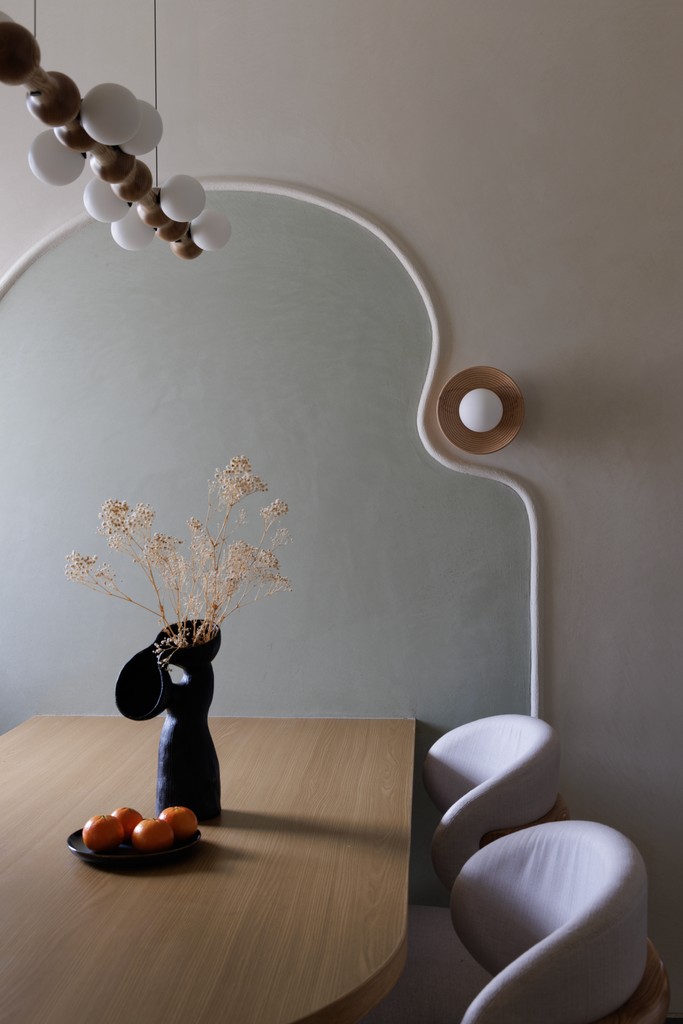
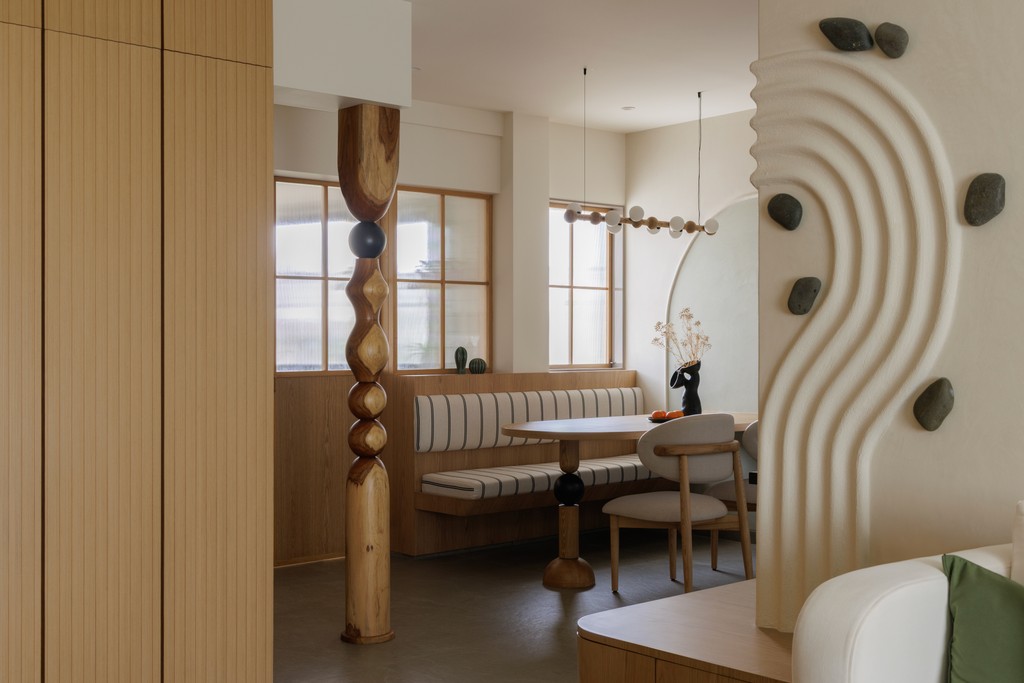
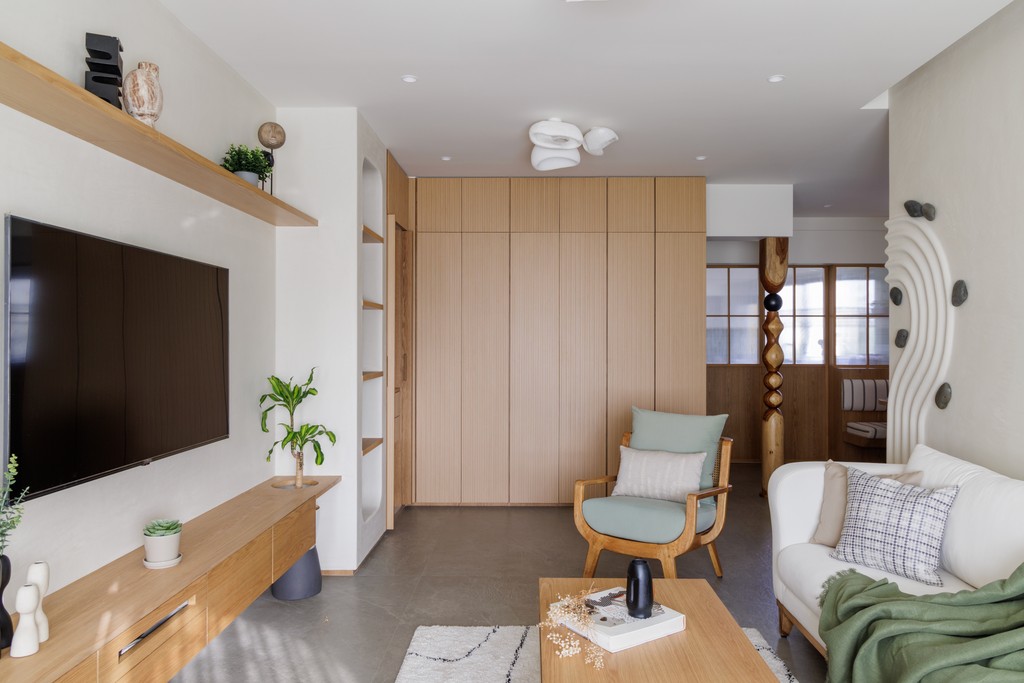
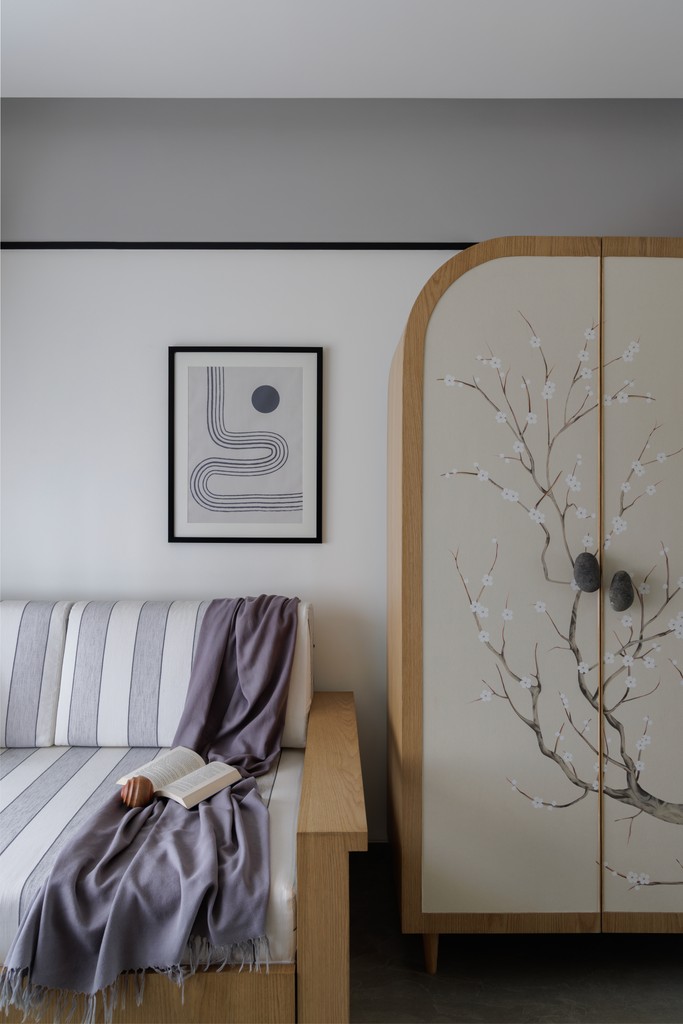
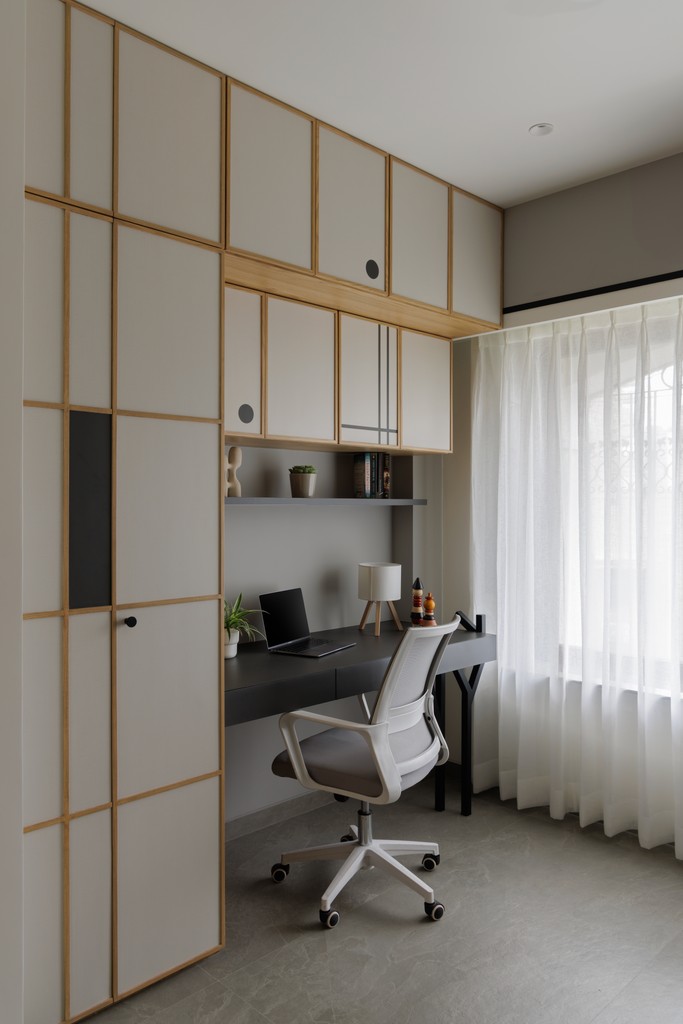
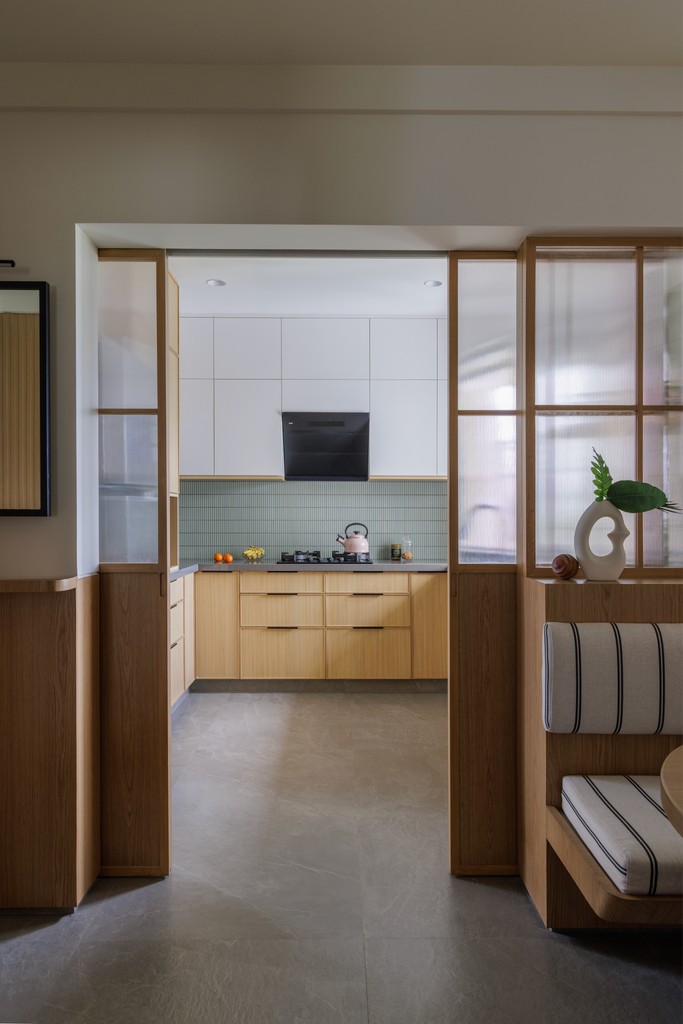

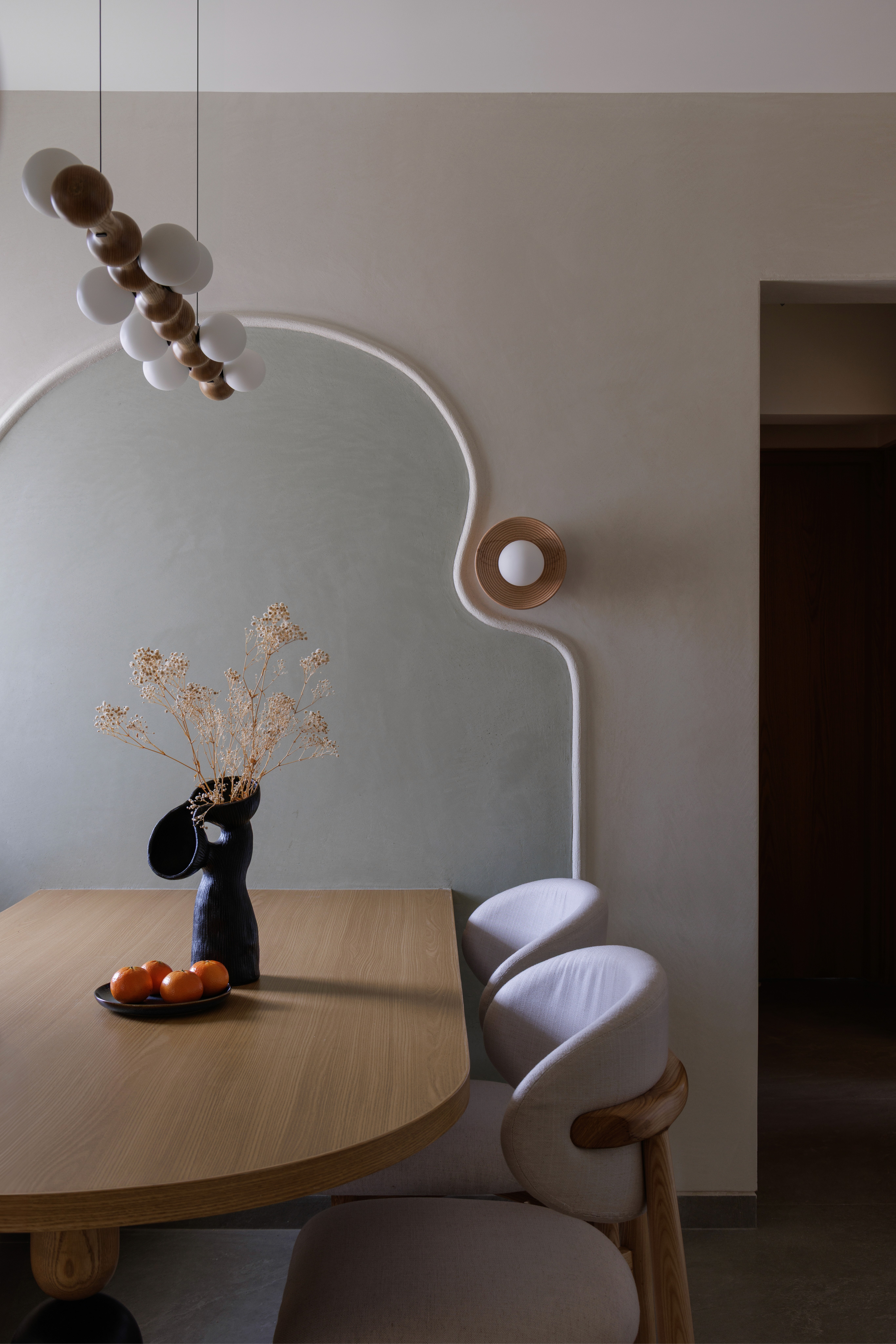
Borrowing from principles found in Japanese domestic living – such as balance, intentionality and sensory ease – the home is shaped to feel open yet grounded. Within a compact footprint, spaces are defined through gentle transitions, custom architectural elements, and carefully integrated furniture rather than rigid partitions.
Photography: Janvi Thakkar (Wabi Sabi Studio)
The project was conceived for a family of four, comprising parents in their sixties and two adult daughters. Rather than relying on strong visual statements, the home explores how calm and slowness can be embedded into everyday living through spatial restraint, continuity and attentiveness to daily rituals.
Borrowing from principles found in Japanese domestic living – such as balance, intentionality and sensory ease – the home is shaped to feel open yet grounded. Within a compact footprint, spaces are defined through gentle transitions, custom architectural elements, and carefully integrated furniture rather than rigid partitions.
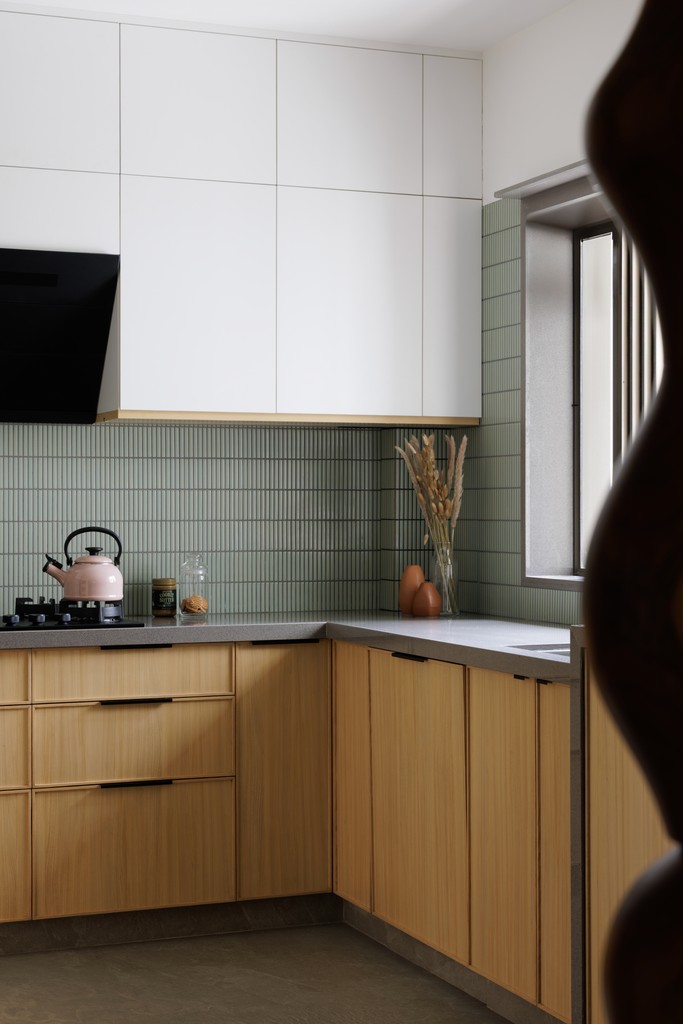
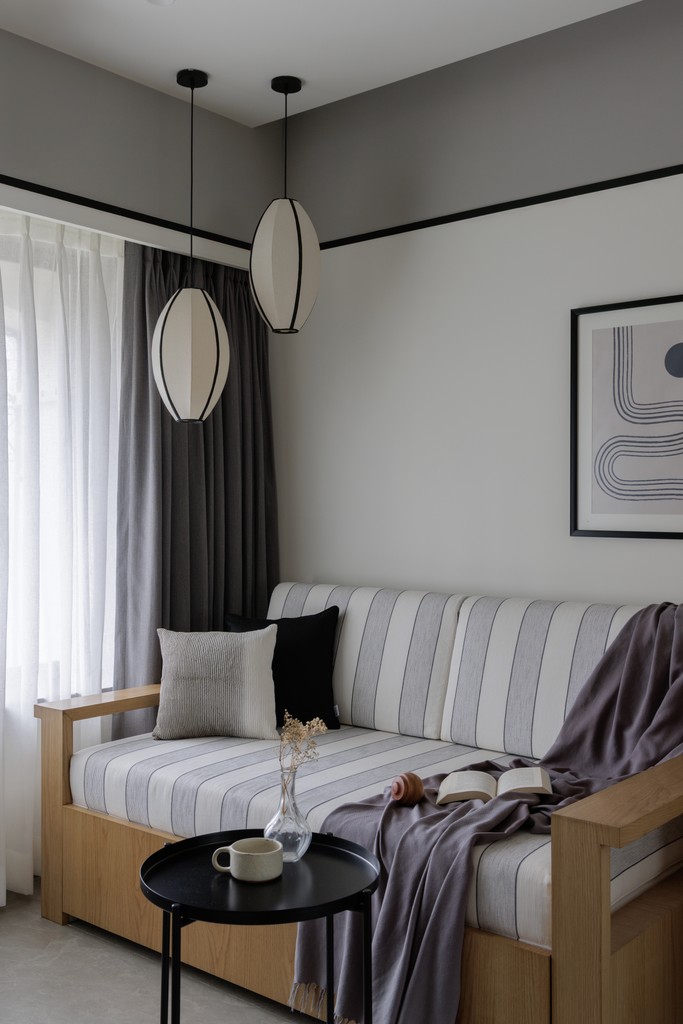
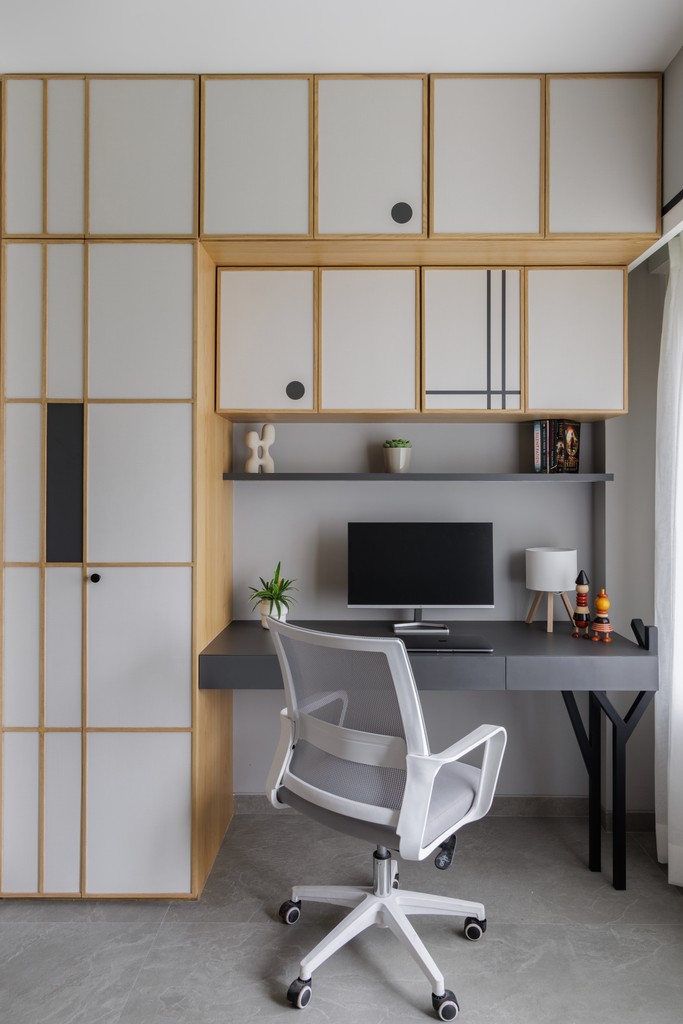
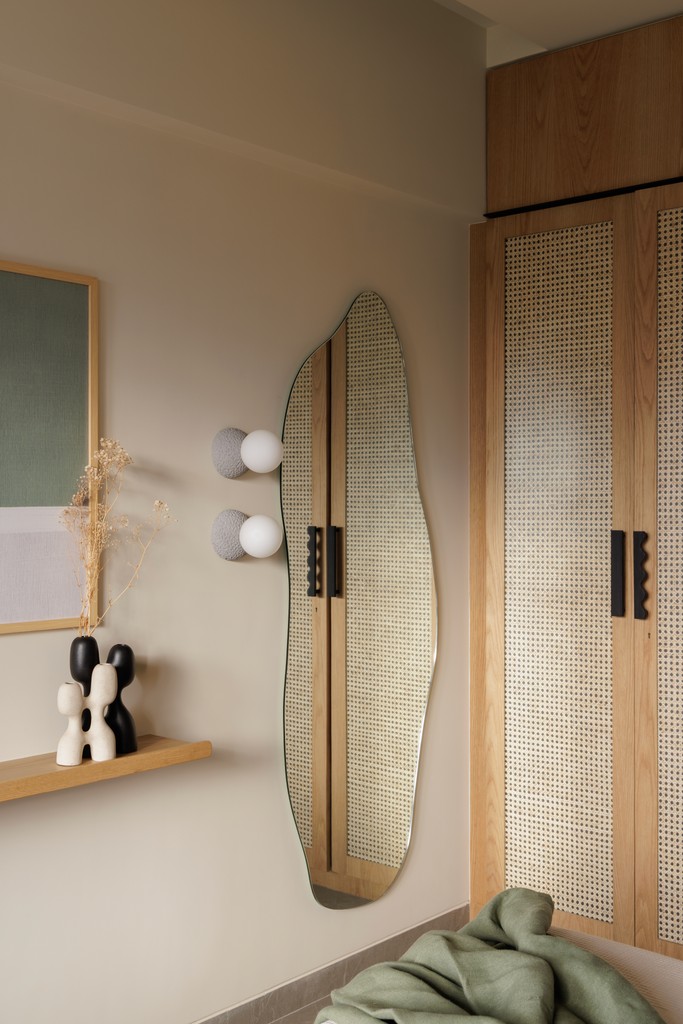
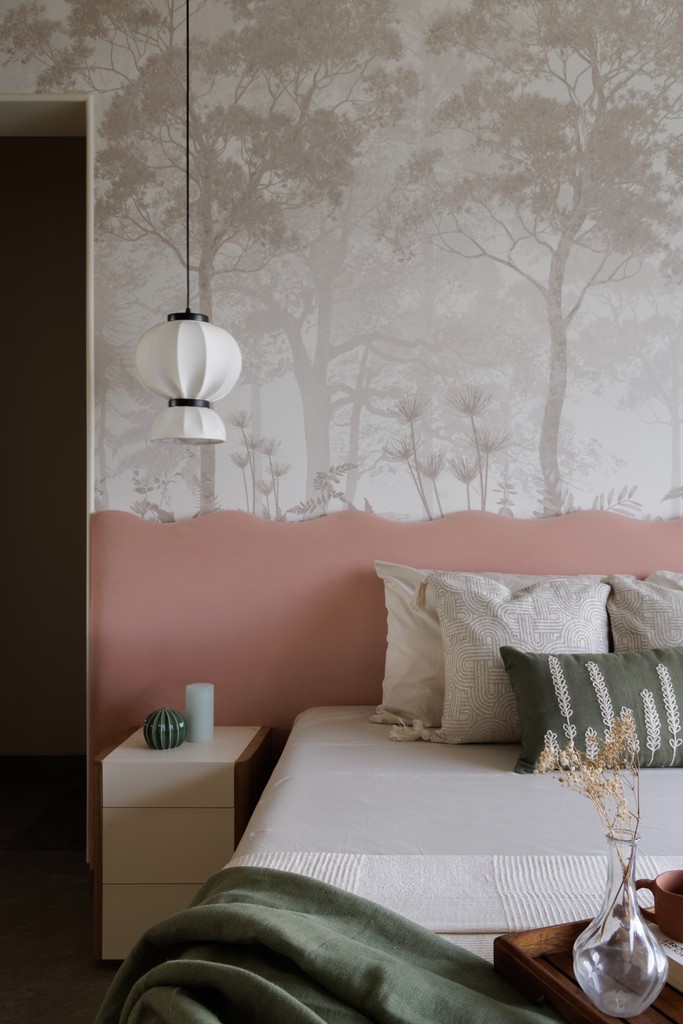
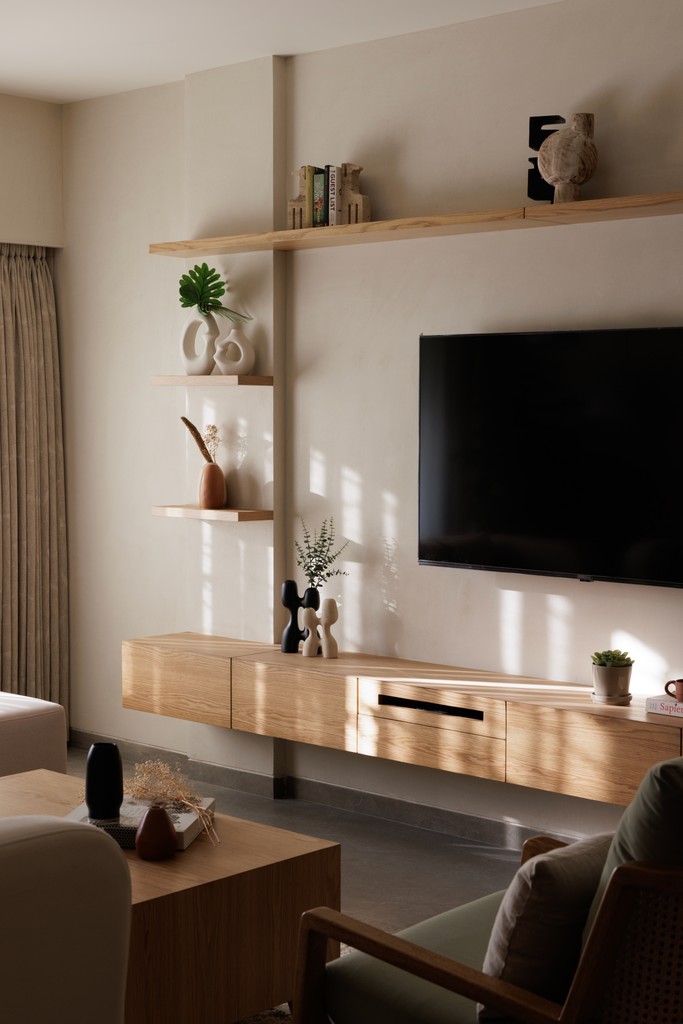
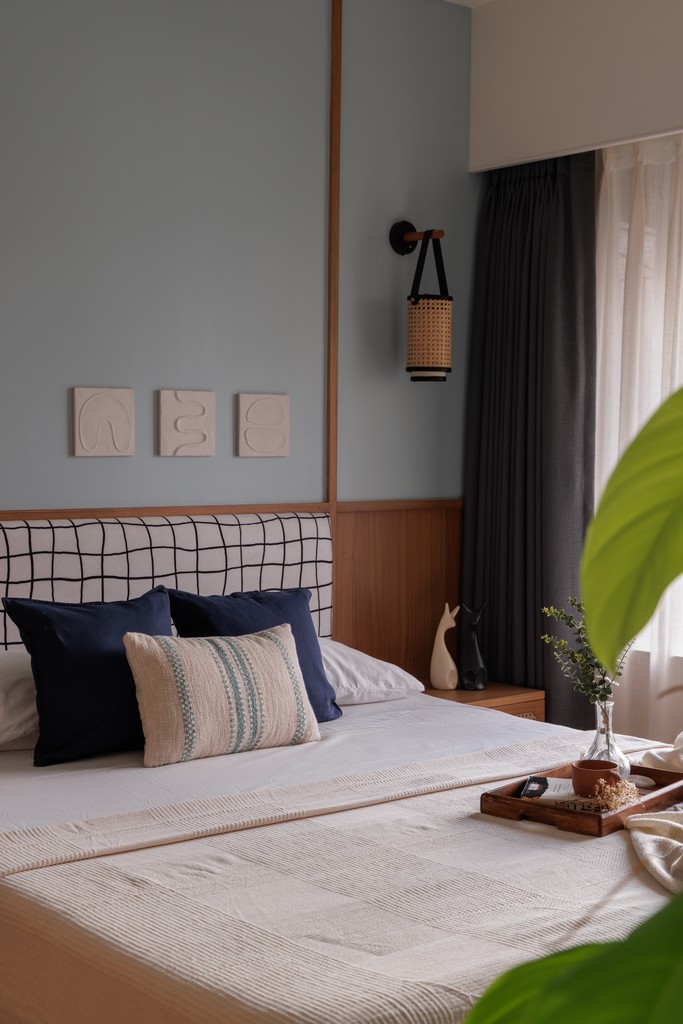
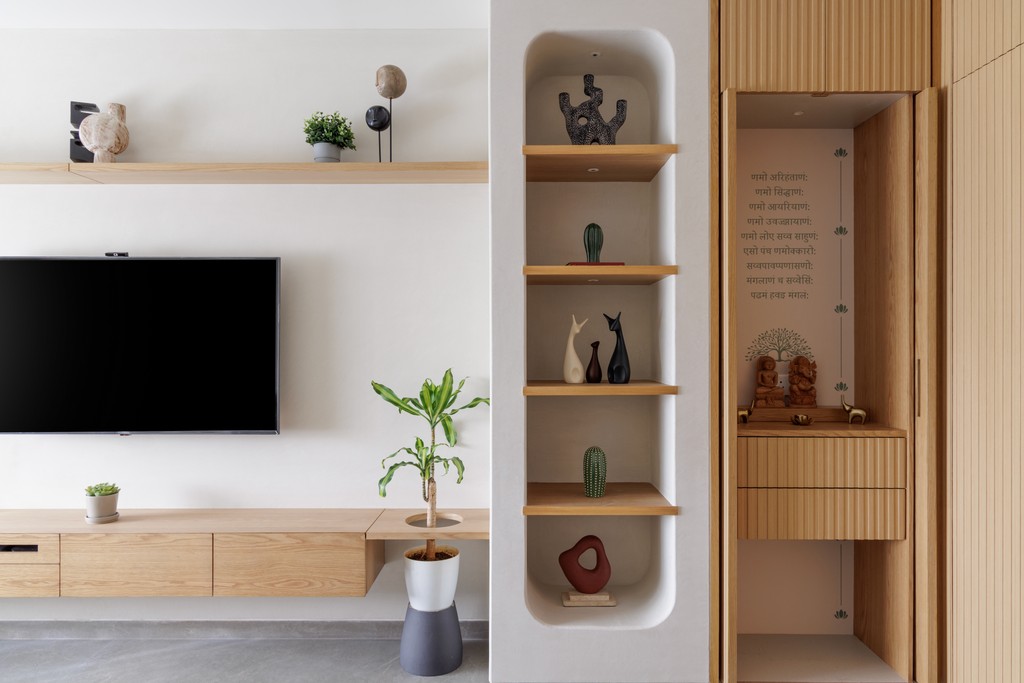
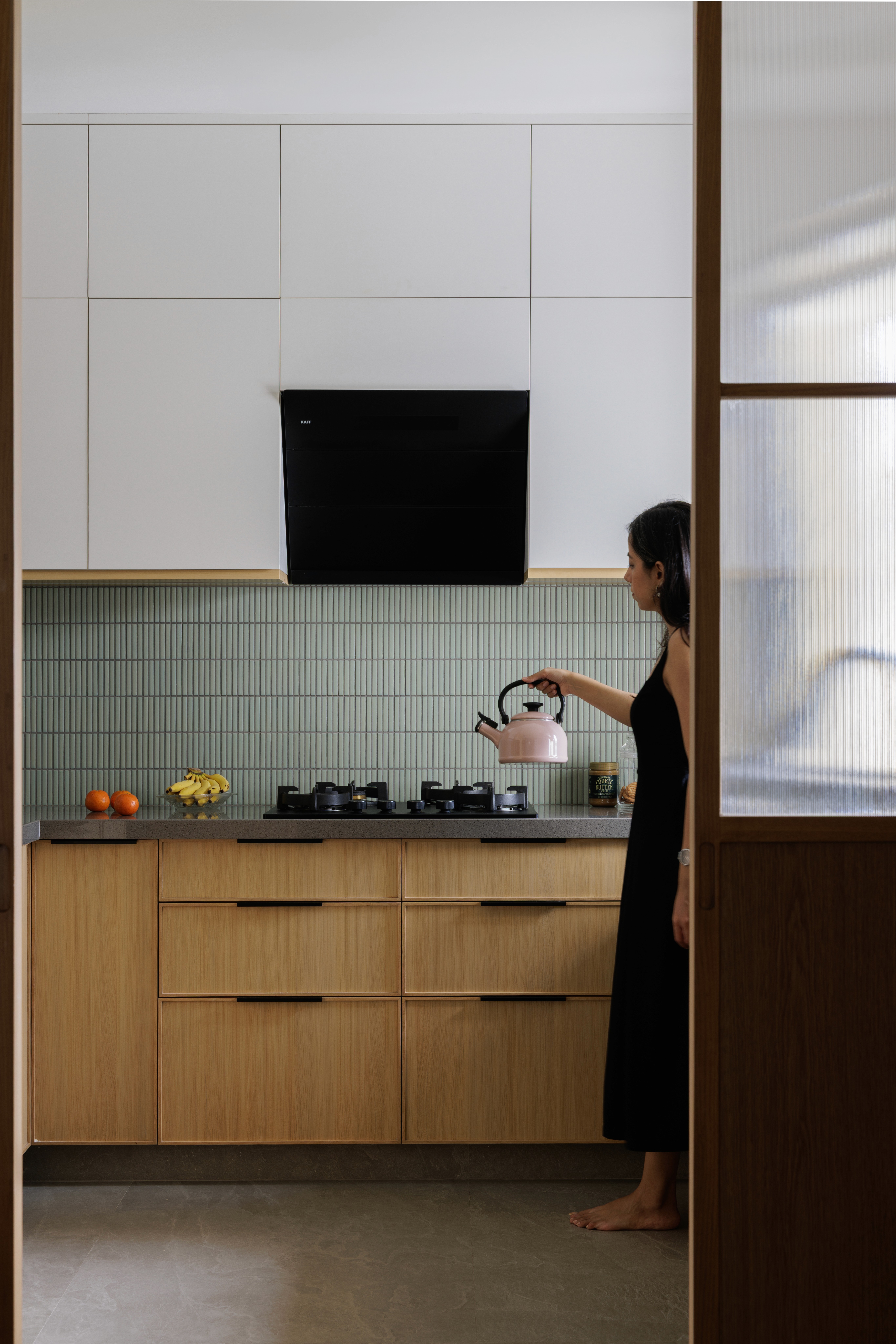
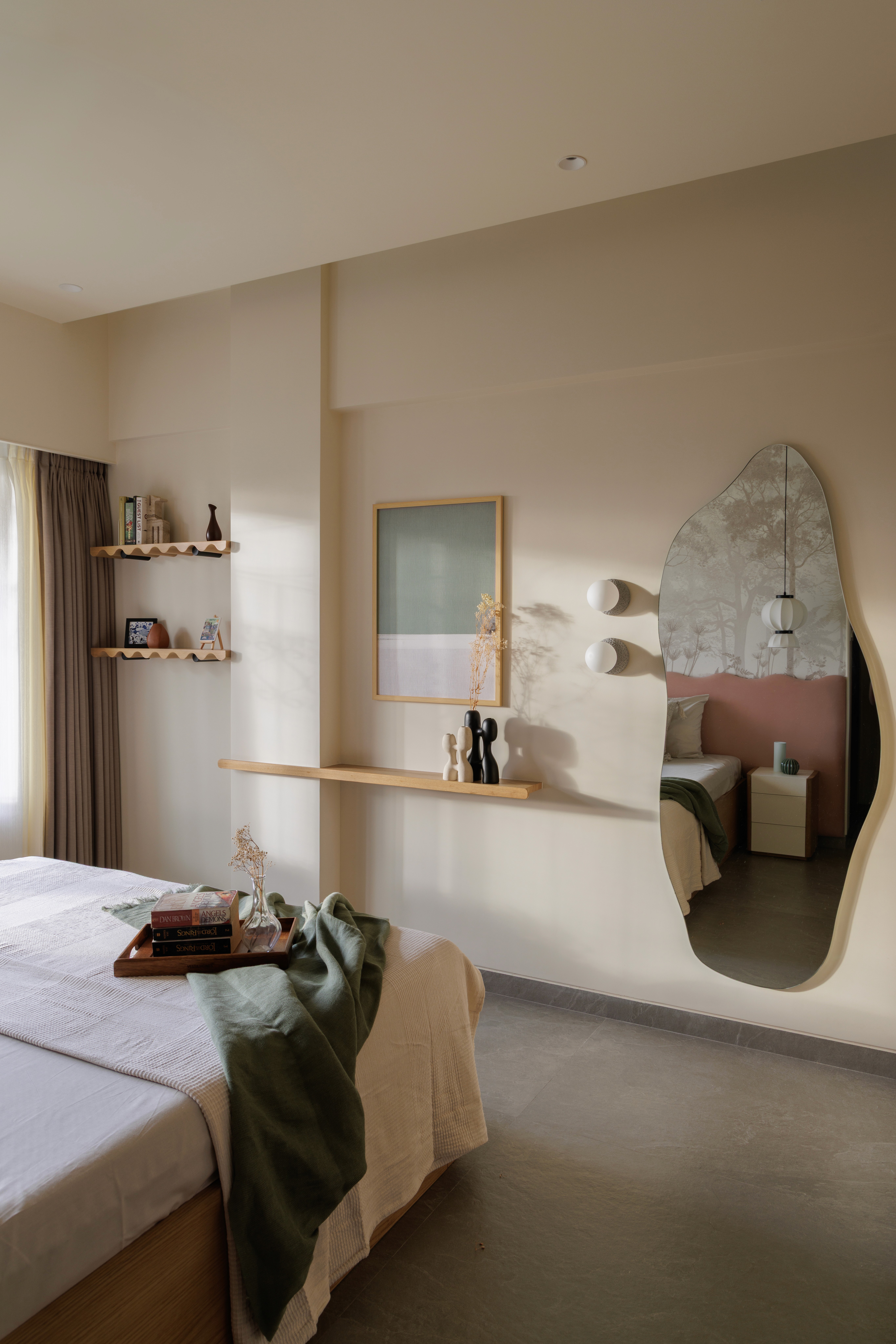
Across the home, muted tones, timber and subtle detailing work together to slow the eye and create a composed yet lived-in environment. Much of the furniture and built-in details were custom-designed in response to the family's routines and shared use of space, with close collaboration with local craftsmen, particularly woodworkers and POP artists, during execution.
Rooted in restraint and material sensitivity, the home reflects a slower, more intentional way of living within an urban context – one shaped as much by daily use as by design intent.
Photography: Janvi Thakkar (Wabi Sabi Studio)
The project was conceived for a family of four, comprising parents in their sixties and two adult daughters. Rather than relying on strong visual statements, the home explores how calm and slowness can be embedded into everyday living through spatial restraint, continuity and attentiveness to daily rituals.
Across the home, muted tones, timber and subtle detailing work together to slow the eye and create a composed yet lived-in environment. Much of the furniture and built-in details were custom-designed in response to the family's routines and shared use of space, with close collaboration with local craftsmen, particularly woodworkers and POP artists, during execution.
Rooted in restraint and material sensitivity, the home reflects a slower, more intentional way of living within an urban context – one shaped as much by daily use as by design intent.
Borrowing from principles found in Japanese domestic living – such as balance, intentionality and sensory ease – the home is shaped to feel open yet grounded. Within a compact footprint, spaces are defined through gentle transitions, custom architectural elements, and carefully integrated furniture rather than rigid partitions.
Across the home, muted tones, timber and subtle detailing work together to slow the eye and create a composed yet lived-in environment. Much of the furniture and built-in details were custom-designed in response to the family's routines and shared use of space, with close collaboration with local craftsmen, particularly woodworkers and POP artists, during execution.
Rooted in restraint and material sensitivity, the home reflects a slower, more intentional way of living within an urban context – one shaped as much by daily use as by design intent.